The Rise of Seaweed as a Sustainable Resource: Advancements in Global Cultivation and Utilization over the Past 20 Years
In an era of increasing environmental and resource challenges, seaweed has emerged as one of the most promising natural resources to address future global needs. With its remarkable adaptability, rapid growth, and sustainable cultivation practices, the seaweed industry has experienced remarkable expansion and evolution over the past two decades.
Global seaweed production, both through aquaculture and wild harvesting, has nearly tripled from 118,000 tons in 2000 to 358,200 tons in 2019 according to data from the Food and Agriculture Organization (FAO). This exponential growth reflects the growing recognition of seaweed’s tremendous potential as a renewable, eco-friendly feedstock for a wide range of applications, from food and agriculture to pharmaceuticals and cosmetics.
The seaweed industry is dominated by Asia, which accounts for over 97% of global production. Powerhouses like China, Indonesia, South Korea, and the Philippines lead the way in seaweed cultivation, harnessing ideal growing conditions and advancing farming techniques to meet surging worldwide demand. Meanwhile, regions like North America, Europe, and Africa are ramping up their own seaweed activities, exploring new species and applications to carve out their share of this burgeoning blue economy.
This review offers a comprehensive look at the remarkable progress made in global seaweed farming and processing over the past 20 years. It examines the latest trends and innovations driving seaweed’s rise, from cutting-edge cultivation methods to state-of-the-art extraction and utilization technologies. The review also delves into the diverse array of high-value compounds and biologically active metabolites being unlocked from seaweed, and their myriad applications in industries ranging from food and pharmaceuticals to cosmetics and agriculture.
Furthermore, the review identifies the key challenges faced by the seaweed industry and outlines potential solutions and future directions. As the world increasingly looks to sustainable, nature-based solutions, seaweed stands poised to play a pivotal role in meeting global needs for food, energy, medicine, and beyond.
Global Seaweed Production Trends
The growth of the global seaweed industry over the past two decades has been nothing short of staggering. In 2000, world seaweed production stood at 118,000 tons. By 2019, that figure had skyrocketed to 358,200 tons – a nearly three-fold increase. What fueled this exponential expansion?
The driving force behind this seaweed revolution is the widespread recognition of its remarkable versatility and sustainability. Seaweed can be cultivated in marine and freshwater environments without the use of pesticides, fertilizers or antibiotics, making it an eco-friendly alternative to many terrestrial crops. Its rapid growth, high yield potential, and diverse applications have positioned seaweed as a renewable resource capable of addressing global challenges in food security, energy, and environmental protection.
Asia Dominates Global Seaweed Production
The epicenter of the global seaweed industry is undoubtedly Asia, which accounts for an astonishing 97.38% of worldwide production. This regional dominance is spearheaded by several key players:
China: The world’s leading seaweed producer, China alone generates 56.82% of global seaweed output. Its cultivation is focused on high-value species like Japanese kelp (Laminaria japonica), Gracilaria seaweeds, and nori (Porphyra spp.).
Indonesia: As the second largest seaweed producer globally, Indonesia contributes 28.6% of worldwide output. Its seaweed farms are primarily cultivating Eucheuma and Gracilaria species.
South Korea: A major player in the seaweed industry, South Korea accounts for 5.09% of global production. Its farms focus on a diverse range of brown, red, and green seaweeds, including Japanese kelp, laver (Porphyra tenera), and wakame (Undaria pinnatifida).
Philippines: Responsible for 4.19% of global seaweed production, the Philippines specializes in cultivating Elkhorn sea moss (Kappaphycus alvarezii), which makes up over 90% of its seaweed output.
North Korea: Contributing 1.6% to worldwide seaweed production, North Korea’s primary focus is on growing Japanese kelp.
Japan: As the birthplace of commercial seaweed farming, Japan accounts for 1.15% of global output, with a focus on laver, wakame, and Japanese kelp.
Malaysia: Comprising 0.53% of worldwide seaweed production, Malaysia cultivates Elkhorn sea moss as its primary species.
The dominance of Asia in global seaweed production is a testament to the region’s favorable growing conditions, established cultivation expertise, and robust consumer demand. However, seaweed farming is also gaining traction in other parts of the world, albeit at a slower pace.
The Emerging Seaweed Producers
While Asia undoubtedly leads the global seaweed industry, other regions are ramping up their own seaweed activities and carving out their place in this burgeoning blue economy.
North America: Accounting for 1.36% of worldwide seaweed production, North America’s output is primarily derived from wild harvests rather than aquaculture. The exception is Chile, which generates 0.3% of global seaweed through cultivation, focusing on Gracilaria and Spirulina species. Meanwhile, the United States, Canada, and Mexico rely heavily on natural seaweed resources, with only nascent forays into seaweed farming.
Europe: Europe contributes 0.8% of global seaweed production, with the vast majority (96%) still sourced from wild harvests. However, European countries have started experimenting with seaweed cultivation since 2010, seeking to expand their domestic supplies and tap into the growing global demand.
Africa: Accounting for 0.41% of worldwide seaweed output, Africa has witnessed a remarkable shift towards aquaculture in recent years. By 2019, 81% of Africa’s seaweed production came from farmed sources, led by countries like Zanzibar (0.5% global share) cultivating species like spiny Eucheuma (Eucheuma denticulatum).
Oceania: This region makes up a mere 0.05% of global seaweed production, with the vast majority (99%) coming from cultivated sources. Oceania’s seaweed farms focus primarily on various brown seaweed species.
While Asia’s dominance remains uncontested, the growing involvement of other regions in seaweed farming and processing signals an exciting diversification of the global seaweed industry. As countries and companies worldwide recognize the immense potential of this marine resource, we can expect to see a continued expansion of seaweed activities outside of Asia in the coming years.
Key Seaweed Species Driving Global Production
Just five seaweed species account for over 95% of worldwide cultivation output:
1. Laminaria and Saccharina (34.65%): These brown algae, commonly known as kelps, are primarily consumed as food in the form of salads, condiments, and sauces.
2. Kappaphycus and Eucheuma (32.62%): These tropical red algae are cultivated for their carrageenan, an important hydrocolloid used in a wide range of food, pharmaceutical, and personal care products.
3. Gracilaria (10.32%): Another red algae species, Gracilaria is grown for its agar, which has applications in food, microbiology, and biotechnology.
4. Porphyra (8.33%): Also known as nori, this red algae is a staple ingredient in Japanese cuisine, particularly for sushi and onigiri.
5. Undaria (7.16%): The brown algae Undaria, or wakame, is commonly used in soups, salads, and as a vegetable in Asian cuisines.
Beyond these major species, research and cultivation efforts are also expanding to include promising green algae like Ulva, Enteromorpha, and Monostroma, which show potential for applications in regulating intestinal flora, improving immune function, and more.
The dominance of these key seaweed species in global production reflects their established market demand and well-developed farming techniques. However, as the seaweed industry continues to evolve, we can expect to see greater diversification in the types of seaweeds cultivated to meet emerging needs and unlock new sources of high-value compounds.
Seaweed Cultivation Methods: From Traditional to Cutting-Edge
The remarkable growth of the global seaweed industry over the past two decades has been underpinned by continuous improvements and innovations in cultivation practices. While traditional, labor-intensive methods still play a role, the seaweed farming sector has embraced a range of advanced techniques to boost productivity, enhance sustainability, and adapt to changing environmental conditions.
Traditional Seaweed Farming
Seaweed cultivation has a long history, with some of the earliest records dating back to the 6th century in China and Japan. These traditional methods typically involve manual harvesting and tending of seaweed beds in coastal waters or estuaries. Key traditional techniques include:
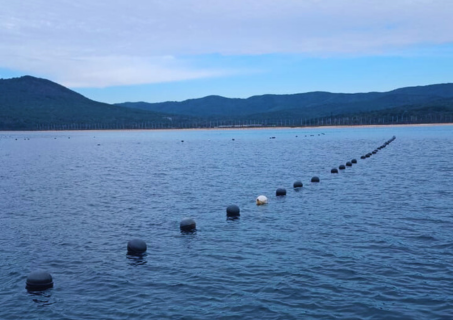
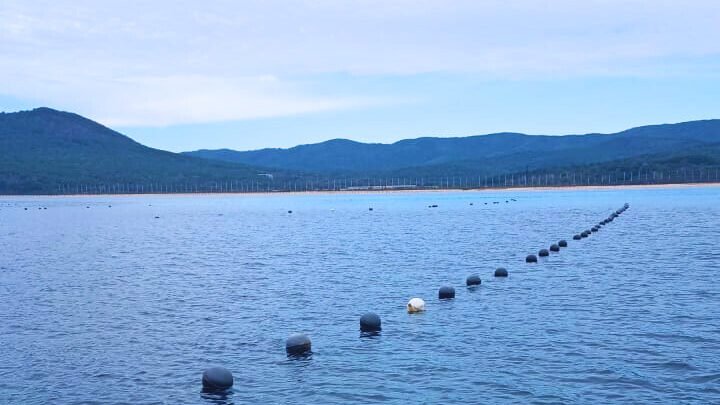
Longline/Raft Systems: Seaweed is attached to ropes or nets that are suspended in the water column, anchored to the seafloor or floating structures. This approach is widely used for cultivating species like Laminaria, Porphyra, and Undaria.
Bottom Planting: Seaweed is planted directly on the seafloor, often in designated seaweed beds or gardens. This method is commonly employed for Gracilaria and Eucheuma species.
Suspended Platforms: Seaweed is grown on platforms or frames that are suspended in the water, typically in protected bays or lagoons. This technique is used for Kappaphycus and Eucheuma cultivation.
While simple and labor-intensive, these traditional methods laid the foundation for the rapid expansion of seaweed farming over the past two decades. However, as demand has skyrocketed, the industry has embraced a range of innovative cultivation techniques to boost productivity and efficiency.
Advanced Seaweed Farming Techniques
To meet the surge in global seaweed demand, producers have adopted a variety of advanced cultivation methods that leverage modern technology and scientific knowledge. These cutting-edge approaches include:
Integrated Multi-Trophic Aquaculture (IMTA): In this system, seaweed is cultivated alongside other aquatic species like finfish, shellfish, or sea cucumbers. The waste products from the co-cultured species provide nutrients to feed the seaweed, creating a closed-loop, eco-friendly system.
Offshore/Open-Ocean Farming: Seaweed is grown in the open ocean, away from coastal areas, using specialized floating platforms, submerged structures, or longline systems. This approach aims to capitalize on nutrient-rich waters and reduced disease/pest pressures.
Land-Based Cultivation: Seaweed is grown in controlled, onshore facilities using tanks, raceways, or bioreactors. This enables year-round production, precise environmental control, and integration with other agricultural or industrial processes.
Genetic Improvement and Selective Breeding: Researchers are applying advanced techniques like hybridization, mutagenesis, and marker-assisted selection to develop new seaweed strains with desirable traits like faster growth, higher yield, and improved resistance to diseases and environmental stressors.
Automated Farming Systems: The incorporation of robotics, sensors, and digital technologies into seaweed cultivation is streamlining labor-intensive tasks, improving monitoring and control, and enhancing overall productivity.
These innovative approaches to seaweed farming not only boost production capacity but also enhance the sector’s environmental sustainability. By integrating seaweed into multi-trophic systems, moving cultivation offshore, or optimizing onshore facilities, producers can minimize resource use, waste, and environmental impacts while maximizing the yield and quality of seaweed biomass.
As the global seaweed industry continues to evolve, we can expect to see even greater advancements in cultivation techniques, driven by the need to meet growing demand while ensuring the long-term viability and sustainability of this valuable marine resource.
Seaweed Processing and Extraction Technologies
Alongside the rapid growth in global seaweed production, the past two decades have witnessed significant advancements in the processing and extraction of high-value compounds from seaweed biomass. As the versatility and commercial potential of seaweed-derived products have become increasingly recognized, the industry has invested heavily in developing innovative technologies to unlock the full spectrum of seaweed’s benefits.
Primary Seaweed Processing Techniques
The initial processing of harvested seaweed typically involves a series of fundamental steps to prepare the biomass for further refinement or utilization:
Drying: Seaweed is dried to reduce moisture content, typically using solar, air, or mechanical drying methods. Proper drying is crucial for preserving the integrity and quality of seaweed-derived compounds.
Size Reduction: The dried seaweed may be milled, ground, or chopped to achieve the desired particle size, depending on the intended application.
Cleaning and Sorting: Seaweed is cleaned to remove impurities, sand, and other foreign matter, and then sorted by species, size, or other quality attributes.
These primary processing steps form the foundation for a wide range of downstream activities, from the extraction of high-value compounds to the development of seaweed-based products.
Advanced Extraction and Fractionation Technologies
To efficiently harness the diverse array of bioactive compounds and functional ingredients present in seaweed, the industry has adopted a variety of advanced extraction and fractionation techniques:
Conventional Extraction Methods:
— Aqueous Extraction: Seaweed is immersed in water to solubilize and extract water-soluble compounds like polysaccharides, proteins, and minerals.
— Organic Solvent Extraction: Seaweed is treated with organic solvents like ethanol, methanol, or acetone to isolate lipid-soluble compounds such as pigments, sterols, and fatty acids.
— Enzymatic Extraction: Seaweed is subjected to enzymatic hydrolysis to break down complex molecules and release targeted bioactive compounds.
Emerging Extraction Techniques:
— Supercritical Fluid Extraction (SFE): Uses carbon dioxide in a supercritical state to selectively extract specific compounds from seaweed, with the advantage of avoiding harsh solvents.
— Microwave-Assisted Extraction (MAE): Employs microwave energy to heat and disrupt the seaweed matrix, enhancing the extraction efficiency of target compounds.
— Ultrasound-Assisted Extraction (UAE): Utilizes high-frequency sound waves to improve mass transfer and facilitate the extraction of seaweed-derived compounds.
— Pressurized Liquid Extraction (PLE): Combines elevated temperature and pressure to efficiently extract compounds from seaweed using environmentally friendly solvents.
Fractionation and Purification:
— Chromatographic Techniques: Column, flash, or high-performance liquid chromatography (HPLC) are used to separate and purify specific seaweed-derived compounds based on their physicochemical properties.
— Membrane Filtration: Techniques like ultrafiltration, nanofiltration, and reverse osmosis are employed to fractionate and concentrate seaweed extracts, proteins, and polysaccharides.
— Precipitation and Crystallization: Compounds are selectively precipitated or crystallized from seaweed extracts based on factors like pH, temperature, and solvent composition.
These advanced extraction and fractionation methods have enabled the seaweed industry to unlock an ever-expanding array of high-value compounds, from polysaccharides and antioxidants to bioactive peptides and pigments. By optimizing the recovery and purity of these valuable seaweed-derived ingredients, producers can cater to the growing global demand across diverse industries, from food and pharmaceuticals to cosmetics and agriculture.
Seaweed-Derived Bioactive Compounds and Their Applications
The remarkable versatility of seaweed as a natural resource stems from the diverse array of bioactive compounds and functional ingredients that can be extracted from its biomass. Over the past two decades, extensive research has uncovered the vast potential of seaweed-derived compounds, leading to their widespread adoption and application across numerous industries.
Brown Seaweed Bioactive Compounds
Brown seaweeds, such as Laminaria, Sargassum, Ascophyllum, Undaria, and Macrocystis, are particularly rich in a variety of bioactive compounds with high commercial value:
Polysaccharides:
— Alginate: A unique polysaccharide containing carboxyl groups, alginate exhibits anti-inflammatory, antioxidant, anti-obesity, and immunomodulatory properties, making it a valuable ingredient in various applications.
— Fucoidan: A sulfated polysaccharide found abundantly in brown seaweeds, fucoidan has demonstrated potent antioxidant, anticancer, anti-angiogenic, and antitumor activities in numerous in vitro and in vivo studies.
— Laminarin: A storage β-glucan with reported bioactivities such as anticancer, antioxidant, antibacterial, and immune-stimulating effects.
— Mannitol: A monosaccharide with high permeability and free radical scavenging abilities, mannitol has applications in stroke treatment, chewing gum, and diabetic foods.
Proteins and Peptides:
— Bioactive Peptides: Peptides isolated from brown seaweeds, such as those derived from Undaria pinnatifida, have shown promising hypotensive effects in hypertensive animal models.
— Lectins: Functional proteins like those found in Hizikia fusiformis exhibit high antioxidant capacity and free radical scavenging activity.
Lipids:
— Polyunsaturated Fatty Acids (PUFAs): Brown seaweeds contain valuable omega-3 PUFAs like eicosapentaenoic acid (EPA) and docosahexaenoic acid (DHA), which are known to reduce the risk of cardiovascular disease.
— Arachidonic Acid (ARA): An omega-6 PUFA found in brown seaweed lipids, ARA plays a crucial role in immune function, thrombosis, and brain health.
— Fucoxanthin: The predominant carotenoid pigment in brown seaweeds, fucoxanthin has demonstrated potent anti-inflammatory, anti-obesity, antioxidant, and anti-diabetic properties.
Sterols:
— Fucosterol: The characteristic sterol of brown seaweeds, fucosterol exhibits a wide range of bioactivities, including antioxidant, anti-diabetic, and anti-inflammatory effects.
Phenolic Compounds:
— Phlorotannins: Unique to brown seaweeds, these polyphenolic compounds exhibit antioxidant activity up to 10 times higher than that of ascorbic acid and tocopherol. Phlorotannins also show promise in preventing obesity and improving memory.
The diverse array of bioactive compounds found in brown seaweeds has led to their widespread adoption across numerous industries, from food and pharmaceuticals to cosmetics and agriculture. These compounds can be leveraged for their antioxidant, anti-inflammatory, anti-tumor, and anti-diabetic properties, positioning brown seaweeds as a valuable natural resource for addressing various global health and wellness challenges.
Applications of Seaweed-Derived Bioactive Compounds
The extensive range of bioactive compounds found in seaweeds has enabled their widespread adoption and utilization across diverse industries, including:
Food and Nutrition:
— Hydrocolloids (agar, carrageenan, alginate) as thickeners, stabilizers, and gelling agents
— Omega-3 PUFAs (EPA, DHA) as nutritional supplements
— Pigments (chlorophyll, carotenoids, phycobilins) as natural colorants
— Bioactive peptides and proteins as functional food ingredients
Pharmaceuticals and Medicine:
— Fucoidan, laminarin, and alginate for their anticancer, antiviral, and anticoagulant properties
— Mannitol as a diuretic and hyperosmolar agent
— Fucoxanthin and phlorotannins for their anti-inflammatory and anti-diabetic effects
Personal Care and Cosmetics:
— Alginate, carrageenan, and fucoidan as moisturizing, emulsifying, and skin-conditioning agents
— Carotenoids and phlorotannins as natural antioxidants and anti-aging ingredients
— Bioactive peptides for their skin-whitening and anti-wrinkle effects
Agriculture and Animal Feed:
— Alginate, carrageenan, and fucoidan as biostimulants to enhance plant growth and stress tolerance
— Mannitol and laminarin as biopesticides and biofungicides
— Seaweed extracts as nutritional supplements for livestock and aquaculture species
As the seaweed industry continues to evolve, we can expect to see even greater diversification and innovation in the applications of seaweed-derived bioactive compounds. With their proven functional properties and the growing consumer demand for natural, sustainable products, seaweed-based ingredients are poised to play an increasingly pivotal role in addressing global needs across multiple industries.
Challenges and Future Directions in the Seaweed Industry
While the global seaweed industry has experienced remarkable growth and advancements over the past two decades, it also faces a range of challenges that must be addressed to ensure its long-term sustainability and continued success. Some of the key issues and potential solutions are as follows:
Cultivation Challenges:
— Environmental Stressors: Seaweed farms are vulnerable to fluctuations in water temperature, salinity, nutrient availability, and weather patterns, which can negatively impact growth and yield. Developing more resilient seaweed strains and integrated multi-trophic aquaculture systems can help mitigate these environmental risks.
— Diseases and Pests: Seaweed crops are susceptible to various pathogens and invasive species, leading to significant losses. Improving biosecurity measures, implementing preventive strategies, and leveraging biological control agents can help address these threats.
— Site Selection and Zoning: Identifying optimal locations for seaweed farming, considering factors like water quality, currents, and accessibility, is crucial for maximizing productivity and sustainability. Effective spatial planning and zoning policies can facilitate the expansion of seaweed cultivation.
Processing and Extraction Challenges:
— Scalability and Efficiency: As demand for seaweed-derived products grows, the industry must invest in more scalable and efficient processing technologies to keep up with production needs. Continuous process improvements, automation, and the adoption of advanced extraction methods can help address these challenges.
— Waste Valorization: Seaweed processing generates significant amounts of waste biomass, which often goes underutilized. Developing innovative strategies to convert this waste into valuable co-products, such as biofuels, biofertilizers, or bioplastics, can enhance the overall sustainability and profitability of the industry.
Regulatory and Market Challenges:
— Harmonized Regulations: The seaweed industry operates in a complex regulatory environment, with varying standards and requirements across different countries and regions. Establishing harmonized regulations for seaweed cultivation, processing, and trade can facilitate the global expansion of the industry and ensure fair competition.
— Market Access and Diversification: Seaweed producers must navigate an evolving global market, with changing consumer preferences and emerging competition from alternative sources. Diversifying product portfolios, exploring new applications, and effectively marketing the unique benefits of seaweed-derived ingredients can help seaweed businesses remain competitive and adapt to shifting market dynamics.
Research and Innovation Challenges:
— Knowledge Gaps: While significant progress has been made in understanding the bioactive compounds and functional properties of seaweeds, there are still many unanswered questions regarding the underlying mechanisms, optimum extraction and processing methods, and potential synergistic effects of seaweed-derived ingredients. Continued investment in research and development can help fill these knowledge gaps and drive further innovation.
— Interdisciplinary Collaboration: Addressing the complex challenges facing the seaweed industry requires a collaborative, interdisciplinary approach, bringing together experts from fields such as marine biology, biotechnology, engineering, and food science. Fostering stronger partnerships between academia, industry, and government can accelerate the development of holistic solutions.
As the global seaweed industry navigates these challenges, it will be crucial to adopt a proactive, innovative, and sustainable mindset. By leveraging advanced technologies, fostering cross-sectoral collaboration, and prioritizing environmental stewardship, the seaweed industry can continue to expand, diversify, and cement its position as a vital contributor to the global bioeconomy.
Conclusion
The past two decades have witnessed a remarkable transformation in the global seaweed industry, as this once-underappreciated marine resource has emerged as a crucial player in addressing a wide range of global challenges. Driven by a surge in demand, innovative cultivation techniques, and the unlocking of seaweed’s vast bioactive potential, the seaweed industry has experienced exponential growth, with production nearly tripling since the turn of the century.
At the heart of this seaweed revolution is Asia, which dominates the global landscape, accounting for over 97% of worldwide seaweed output. Led by powerhouses like China, Indonesia, South Korea, and the Philippines, the region has harnessed its favorable growing conditions, established expertise, and robust consumer demand to cement its position as the epicenter of the seaweed industry.
While Asia’s supremacy remains unchallenged, other regions are also ramping up their seaweed activities, recognizing the tremendous potential of this renewable, eco-friendly resource. North America, Europe, Africa, and Oceania are all making strides in expanding their own seaweed cultivation and processing capabilities, with the goal of tapping into the growing global demand and carving out their place in this burgeoning blue economy.
The rise of the seaweed industry has been underpinned by continuous advancements in cultivation methods, processing technologies, and the extraction of high-value compounds. From traditional techniques like longline farming and bottom planting to cutting-edge approaches like integrated multi-trophic aquaculture and offshore cultivation, the seaweed industry has embraced innovation to boost productivity, enhance sustainability, and adapt to changing environmental conditions.
Alongside these cultivation breakthroughs, the seaweed industry has also witnessed significant progress in the extraction and utilization of the diverse array of bioactive compounds found within seaweed biomass. From polysaccharides and pigments to proteins and lipids, seaweed has emerged as a treasure trove of functional ingredients with applications spanning food, pharmaceuticals, cosmetics, and agriculture.
As the world grapples with mounting environmental, health, and resource challenges, seaweed stands poised to play a pivotal role in addressing global needs. Its remarkable versatility, sustainability, and untapped potential make it a truly remarkable natural resource, one that will continue to drive innovation and transformation within the industries it serves.
However, the seaweed industry is not without its challenges. Navigating environmental stressors, disease outbreaks, regulatory hurdles, and evolving market dynamics will require a concerted, collaborative effort across the sector. By embracing advanced technologies, fostering interdisciplinary partnerships, and prioritizing environmental stewardship, the seaweed industry can overcome these obstacles and cement its position as a vital contributor to the global bioeconomy.
In the years and decades to come, we can expect to see the seaweed industry continue to expand, diversify, and innovate, unlocking new frontiers of discovery and application. As the world increasingly looks to nature-based, sustainable solutions, seaweed will undoubtedly continue to shine as a shining example of the power and potential of our blue planet.
Source: Global seaweed farming and processing in the past 20 years (Lizhu Zhang, Wei Liao, Yajun Huang, Yuxi Wen, Yaoyao Chu, Chao Zhao), 2022 https://fppn.biomedcentral.com/articles/10.1186/s43014-022-00103-2