
Advancing marine science to quantify the impact of kelp aquaculture on ocean health and carbon sequestration.
-
 10 / 11 / 2025
KELP FARMS: how algae is saving us from the climate crisis
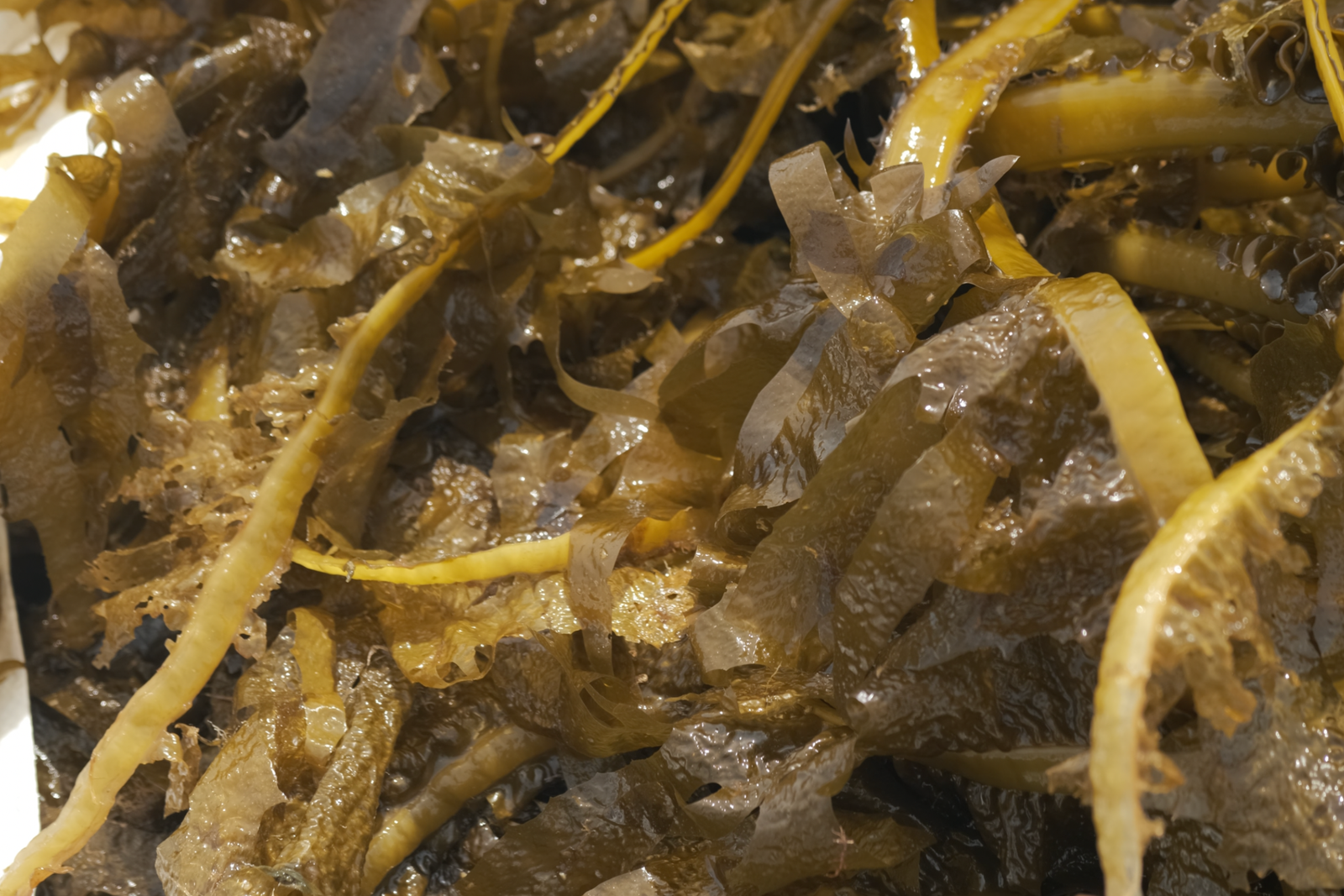
The cultivation of brown seaweed has proven for the first time the economic viability of marine aquaculture and opened up new opportunities for restoring marine ecosystems. Amid the growing climate crisis, humanity is seeking new ways to reduce its carbon footprint and restore natural ecosystems. One of the most promising areas is the cultivation of seaweed - plants capable of absorbing enormous amounts of carbon dioxide while simultaneously restoring ocean biodiversity. KELP FARMS has pioneered research in the field of brown seaweed cultivation. Revolution in the Sea of Japan: Undaria Seaweed Undaria seaweed was cultivated in the Sea of Japan. The project team developed and tested the entire technological process: from cultivation to harvesting, transportation, and drying. The one-hectare experimental...
Read more -
 10 / 11 / 2025
How algae help clean oil from petroleum. KELP FARMS presents experiment results
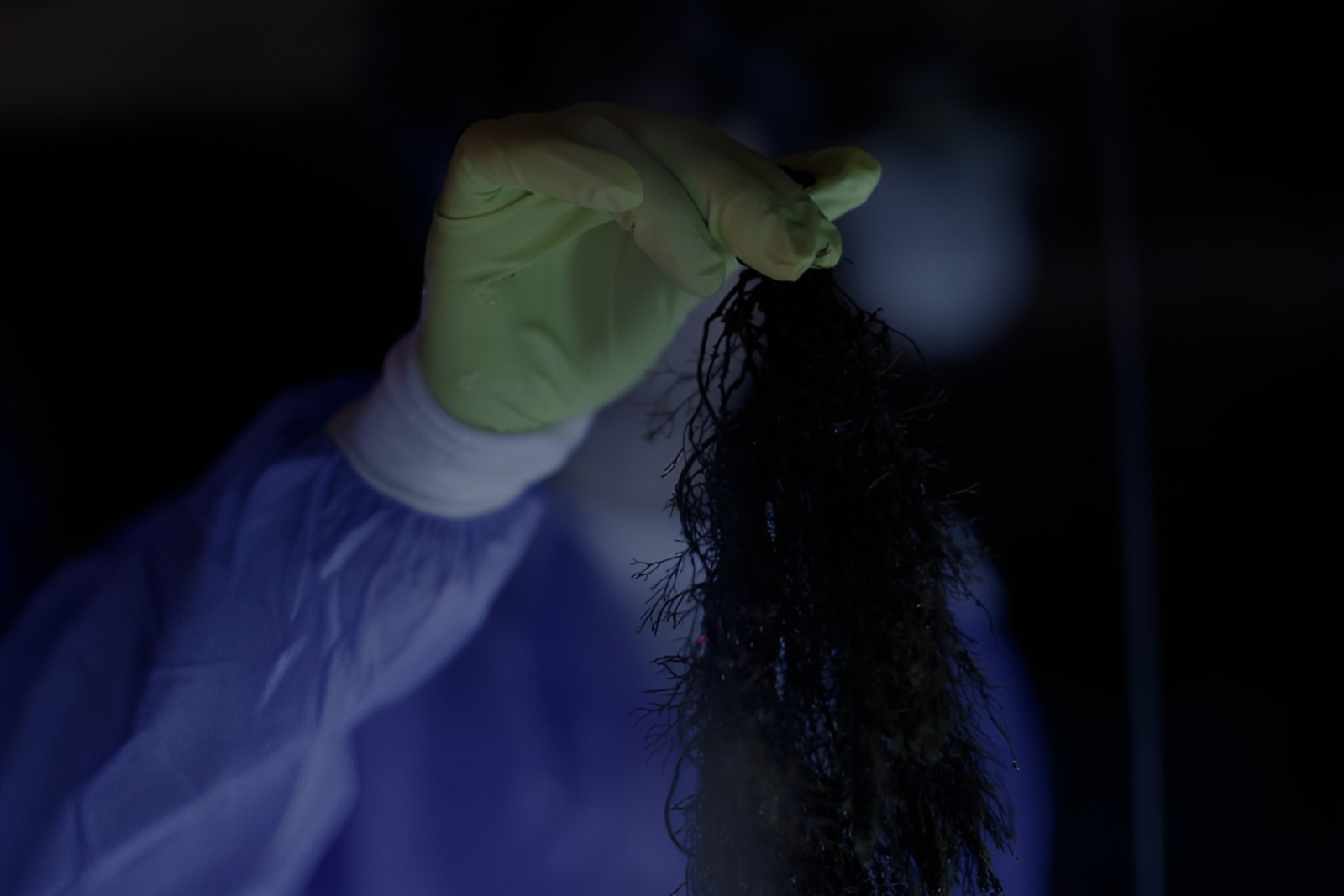
Problem relevance The Black Sea disaster in December 2024, when two tankers lost large volumes of fuel oil as a result of a storm, led to the contamination of vast marine areas and caused severe damage to marine ecosystems due to petroleum pollution. According to Oil Tanker Spill Statistics, six major spills (>700 tonnes) and four medium spills (7-700 tonnes) resulting from tanker incidents were recorded in 2024. The major spills primarily involved fuel oil and occurred in South America, Asia, and Europe. The total volume of oil released into the environment from tanker spills in 2024 was approximately 10,000 tonnes. The scale of the impact of oil pollution on marine ecosystems is staggering: just one ton of oil spilled...
Read more -
 22 / 05 / 2025
Brown algae Cystoseira barbata helps clean up the sea from oil pollution
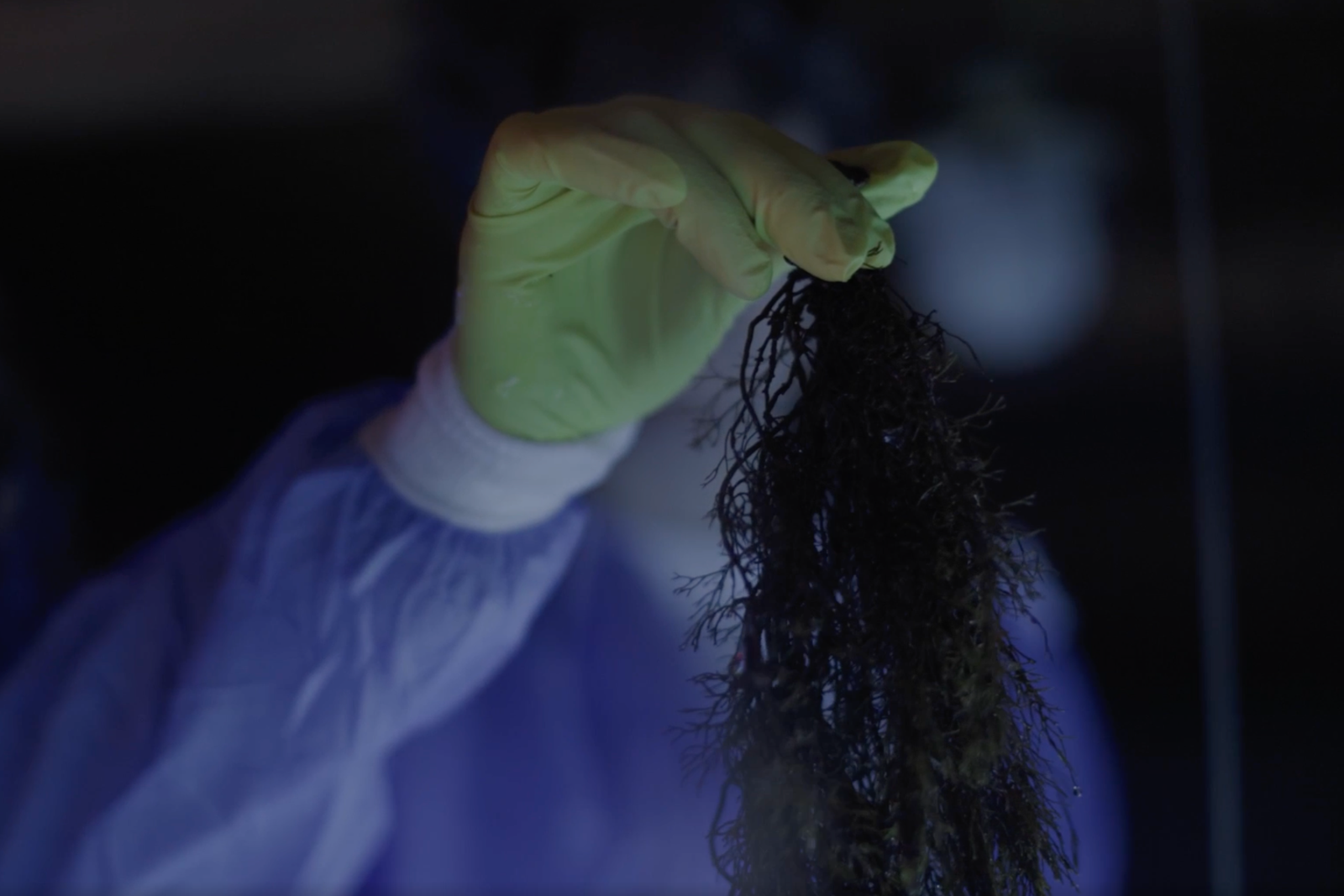
The recent tanker disaster in early 2025 showed the vulnerability of animals and plants of the Black Sea coast from anthropogenic influence. In nature, there are mechanisms to restore biocenoses when polluted by oil products that periodically enter the sea waters. Different oil-oxidizing microorganisms are present in the Black Sea, which play an important role in natural cleaning of the ecosystem from oil pollution. Their study and utilization help to develop environmentally friendly methods to combat oil spills and marine pollution. However, along with microorganisms, algae play an important role in the ecological balance of marine ecosystems, and their participation in cleaning the sea from oil products is associated with both mechanical and biological processes. As a result of contact...
Read more -
 29 / 10 / 2024
The Expanding Role of Seaweed in Modern Industry: A Comprehensive Review
The versatility of seaweed as a renewable resource has captured increasing attention across multiple industrial sectors in recent years. This comprehensive review examines the diverse applications of seaweed and algae, from traditional uses to cutting-edge innovations, highlighting their potential to address various contemporary challenges in sustainability, health, and industrial development. Food Industry Applications Traditional Dietary Uses Seaweed has long been established as a fundamental dietary component in many Asian cultures, where it is consumed in various forms including fresh, dried, and processed preparations. The integration of seaweed into daily nutrition represents not just a cultural practice but a sophisticated understanding of its nutritional benefits that has evolved over centuries. Traditional preparation methods, from the Japanese nori used in sushi to...
Read more -
 29 / 10 / 2024
The Rise of Seaweed as a Sustainable Resource
The Rise of Seaweed as a Sustainable Resource: Advancements in Global Cultivation and Utilization over the Past 20 Years In an era of increasing environmental and resource challenges, seaweed has emerged as one of the most promising natural resources to address future global needs. With its remarkable adaptability, rapid growth, and sustainable cultivation practices, the seaweed industry has experienced remarkable expansion and evolution over the past two decades. Global seaweed production, both through aquaculture and wild harvesting, has nearly tripled from 118,000 tons in 2000 to 358,200 tons in 2019 according to data from the Food and Agriculture Organization (FAO). This exponential growth reflects the growing recognition of seaweed’s tremendous potential as a renewable, eco-friendly feedstock for a wide range...
Read more -
 29 / 10 / 2024
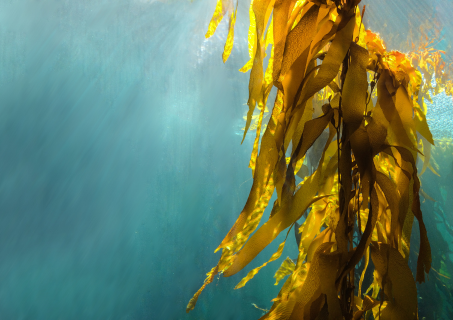
The Evolution and Challenges of Modern Seaweed Aquaculture: A Comprehensive Analysis
Introduction The seaweed farming industry has undergone remarkable transformation over the past two decades, emerging as a crucial sector at the intersection of economic development, social progress, and ecological sustainability. This comprehensive analysis explores the multifaceted nature of seaweed aquaculture, examining its current state, challenges, and potential solutions for future development. The industry’s growth has demonstrated significant promise in addressing various marine ecological challenges while simultaneously creating economic opportunities for coastal communities worldwide. Historical Development and Current State The Rise of Seaweed Farming The evolution of seaweed farming from traditional small-scale operations to modern industrial cultivation represents one of the most significant developments in aquaculture history. Traditional methods, once limited to simple rope cultivation techniques in shallow coastal waters, have...
Read more
Donate
Scientific Authority
-
29 / 10 / 2024
Creating your seaweed farm
Find out how you can build your own algae farm through a donation by filling out the form on our website.
Donate once -
29 / 10 / 2024
Absorption of 1 ton of CO2
You can donate funds to absorb 1 ton of carbon dioxide to contribute to the fight against the negative effects of climate change.
Donate once -
29 / 10 / 2024
Scientific research
The funds raised will be used to conduct research on the cultivation, use and application of algae, as well as their impact on combating climate change.
Donate once